

Why structure, high expectations and warmth matter in speech therapy
If you were to peek through the window of one of my speech therapy sessions, you might notice two things: a room full of engaging games and activities, and a therapist who is carefully guiding a child towards a specific goal.
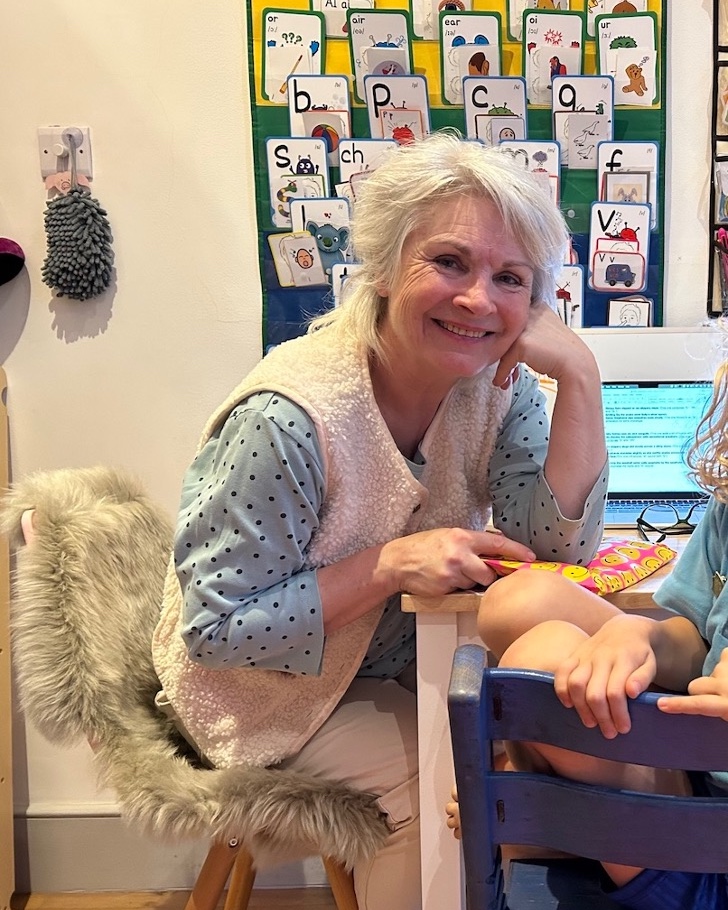
There will be laughter, encouragement and opportunities to play. But there will also be moments when I ask a child to stop, listen carefully, try a sound again or adjust the way they are producing it.
To an outside observer, this might sometimes look quite structured. And that raises an important question: does effective speech therapy need to be more than simply playing with a child?
My answer is yes.
Play has a valuable place in speech therapy, but when a child is working on a speech sound disorder, we also need clinical expertise, purposeful practice, careful listening and clear goals. Children deserve sessions that are enjoyable and supportive, while also helping them develop the skills they need to communicate more clearly and confidently.
For me, the key is combining warmth and encouragement with high expectations, appropriate structure and an approach tailored to each individual child.
Here is why I believe this balance matters.
1. Speech sound therapy involves learning a new skill
Learning to produce a speech sound accurately is not simply a matter of telling a child what to do. Speech involves highly coordinated movements, and children who have difficulty producing particular sounds may need considerable support to develop new or more consistent ways of producing them.
Think about learning to play a musical instrument. Understanding what a note should sound like is not the same as being able to play it accurately. It takes practice, feedback and time to develop the necessary skills.
Speech sound therapy can be similar. A child may understand that they need to make a /K/ sound, for example, but continue to produce a /T/ sound instead. They may need help to notice the difference, understand where the sound is produced in the mouth and practise the new movement with appropriate support.
This is where purposeful practice becomes important.
During a session, I listen closely to how a child produces a sound. I may model the sound, use a visual cue, help the child notice their tongue position or break the task into smaller, more manageable steps.
Sometimes a child can produce a sound accurately straight away. At other times, we need to slow down, change our approach or practise at an easier level before moving on.
The aim is not simply to produce lots of sounds. It is to help a child practise in a way that supports accurate, increasingly consistent speech.
That means I will sometimes ask a child to try again. Not because I expect perfection, but because I want to help them discover what works and build on their successes.
2. Clear structure can help children know what to expect
Some children arrive at therapy full of energy. Others may find it difficult to concentrate on a task, manage transitions or persist when something feels challenging.
Expecting every child to sit still and work in exactly the same way would not be realistic, nor would it be appropriate.
However, children often benefit from knowing what is happening, what we are working towards and what comes next.
For example, I might explain:
‘First, let’s practise five careful /S/ sounds together. Then we’ll take our turn in the game.’
This gives the child a clear, achievable goal and a predictable next step. For another child, I might use a visual timetable, shorter practice bursts, movement breaks or a more playful activity to support participation.
Structure does not mean that every session must look the same. It means that the activities have a purpose and that I am making thoughtful decisions about how best to help the child learn.
If a child becomes tired, frustrated or overwhelmed, I may need to adapt the task rather than simply insist that they continue. Sometimes a short break or a different approach is exactly what enables the child to return to the activity successfully.
My responsibility is to recognise what the child needs while keeping sight of the therapeutic goal.
3. Warmth and high expectations belong together
I believe one of the most important qualities of a good speech and language therapist is the ability to combine a positive relationship with clear clinical guidance.
Children need to feel safe enough to try something difficult, make mistakes and have another go. They also need a therapist who can recognise when they are ready for the next step and help them work towards it.
In my sessions, encouragement might sound like this:
‘That was a good try. Let’s see if we can make that sound even clearer together.’
‘I know this sound is tricky. Let’s slow it down and find the mouth position that works.’
‘You did that one really carefully! Can you remember what you did with your tongue?’
These are small moments, but they matter. They help children understand that speech sounds can take practice, that mistakes are part of learning and that they can make progress with the right support.
I celebrate genuine achievements, whether that means producing a difficult sound accurately for the first time, becoming more aware of how a sound feels, or managing to use a new skill more consistently.
I also want children to understand that they are not expected to get everything right immediately. My job is to guide them, give them appropriate feedback and help them develop their skills step by step.
High expectations should never mean expecting every child to progress at the same pace. They mean taking each child’s potential seriously and giving them the support they need to move forward.
4. Play can be powerful when it has a purpose
I love using games and playful activities in therapy. They can motivate children, create opportunities for interaction and make repeated practice much more enjoyable.
But the game itself is not the therapy. It is one of the ways I help a child engage with the therapeutic task.
For example, a simple board game might provide opportunities to practise a target sound in carefully chosen words. A picture activity might help a child listen for the difference between two sounds. A motivating toy might encourage a child to practise a word several times without the session feeling repetitive.
While the child is playing, I am listening, observing, adjusting the level of difficulty and deciding what support to offer next.
If a child is not yet able to produce a sound accurately in a particular word, I may return to an easier level of practice. If they are achieving the target consistently, I may begin to introduce more challenging words or activities that help them use the sound in a wider range of situations.
The activities may look simple, but the clinical reasoning behind them is important.
Parents should be able to understand what their child is working on, why a particular approach has been chosen and how progress is being monitored.
For me, effective therapy is about making the session purposeful, responsive and productive.
5. Progress takes clinical expertise, practice and partnership
When parents seek specialist speech and language therapy, they understandably want to see progress. They want their child to be understood more easily, to feel more confident communicating and to experience fewer frustrations when speaking.
My role is to assess the child’s speech carefully, identify the areas that need support and develop an appropriate plan.
Depending on the child’s needs, this may involve working on individual speech sounds, helping them distinguish between sounds, addressing patterns that affect several sounds, or using a more specialised approach where speech motor planning is a concern.
There is no single programme that suits every child. The type of intervention, the amount of practice and the pace of progress will depend on the child’s individual profile and response to therapy.
I monitor how a child is progressing and adjust my approach accordingly. I also explain what we are working towards and, where appropriate, suggest practical ways parents can support learning between sessions.
Home practice is particularly valuable, and it needs to be realistic and manageable for each family. Even a short period of well-supported practice provide useful opportunities to build on what a child has been learning in therapy.
Ultimately, I want parents to feel informed and involved, with a clear understanding of their child’s goals and the steps we are taking to work towards them.
The takeaway: Structure with warmth
I believe children deserve speech therapy that combines a warm, trusting relationship with skilled clinical intervention.
I will encourage a child, celebrate their achievements and make sessions enjoyable. I will also listen carefully, give feedback, revisit difficult sounds and help them work towards their goals.
Sometimes that means asking for another attempt. Sometimes it means changing the activity, taking a break or approaching the task in a completely different way.
The important thing is understanding when to encourage, when to challenge and when to adapt.
High expectations are not about making children comply. They are about believing in their capacity to learn while giving them the individual support they need to succeed.
For me, that is the balance at the heart of effective speech sound therapy: warmth, structure, clinical expertise and a genuine commitment to helping every child make meaningful progress.
Looking for specialist speech sound therapy?
If your child has difficulty producing particular speech sounds, is difficult to understand or is becoming frustrated when trying to communicate, an individual assessment can help clarify their needs and identify appropriate next steps.
At London Speech and Feeding, I provide tailored speech and language therapy with clear goals, careful clinical guidance and an approach that recognises each child as an individual.
Get in touch to arrange an initial assessment and discuss how I may be able to help your child.

Sonja McGeachie
Highly Specialist Speech and Language Therapist
Owner of The London Speech and Feeding Practice.


Find a speech and language therapist for your child in London. Are you concerned about your child’s speech, feeding or communication skills and don’t know where to turn? Please contact me and we can discuss how I can help you or visit my services page.