Tele-Speechtherapy: Online, connected, and highly effective

When parents first enquire about speech and language therapy, many assume it will happen face-to-face, in a clinic room, with a therapist sitting across from their child.
So when therapy is offered online, it’s natural for questions to arise:
Can this really work? Will my child engage? Will progress be slower?
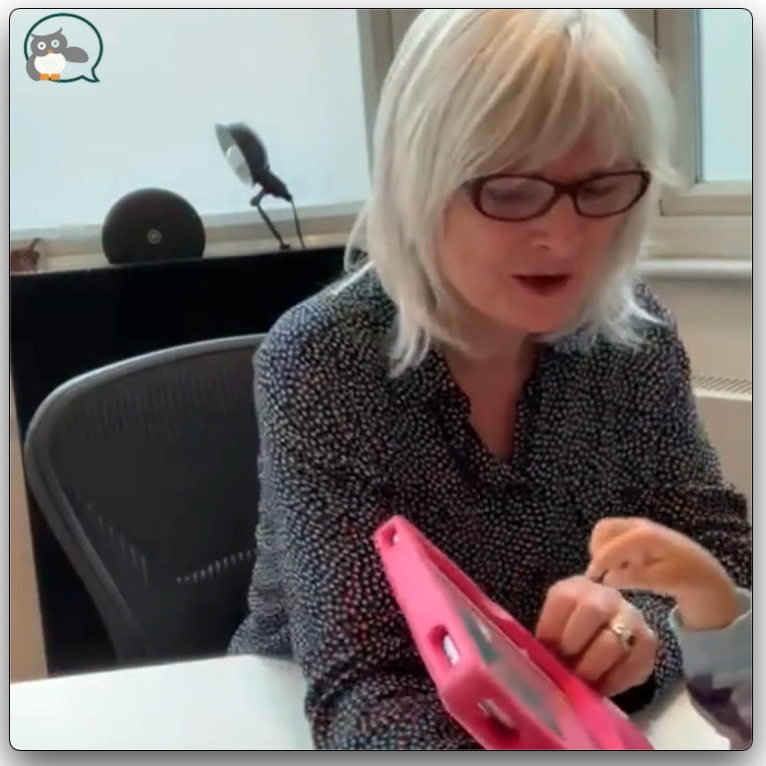
This short video offers a glimpse into what online therapy can look like: calm, interactive, relationship-based, and surprisingly effective.
Online therapy is not ‘less than’ in the right circumstances
Teletherapy is not suitable for every child in every situation. However, for many school-aged children, particularly those who enjoy conversation, technology, and shared activities, online therapy can be an excellent fit.
The child you see in this video is around eight years old and was supported for a persistent lisp. Sessions were primarily online, with the occasional in-person appointment when helpful.
What made the difference was not the screen. It was the combination of engagement, support, and consistency.
Parent involvement changes everything
One of the greatest strengths of online therapy is the way it naturally invites parents in.
In this case, parents regularly joined the video sessions:
- Listening in
- Taking part when appropriate
- Learning how to support practice gently between sessions
This meant that therapy didn’t stay ‘on the screen’. Strategies carried over into everyday conversation, making progress faster and more meaningful.
Speech sound therapy, including support for lisps, relies heavily on awareness, feedback, and confidence, all of which can be supported very effectively at home with the right guidance.
Therapy through a screen can still be deeply relational
A common concern is whether connection can truly be built online.
In reality, many children feel more relaxed in their own home environment. They are often more willing to talk, experiment with sounds, and reflect on their speech when they feel comfortable and supported.
Online sessions allow:
- Shared focus and conversation
- Clear visual feedback
- Real-life practice in a familiar setting
- Immediate parent support
For some children, this actually enhances engagement rather than limits it.
Real progress, real outcomes
Over the course of approximately 12 online sessions, alongside a small number of in-person appointments, this child achieved resolution of their lisp.
Progress was steady, positive, and confidence-building. Importantly, the child remained motivated and proud of their achievements throughout the process.
While every child’s journey is different, this example highlights what is possible when:
- The child is ready
- Parents are involved
- Therapy is tailored and collaborative
If you’re considering online therapy
If you’re unsure whether teletherapy could work for your child, it’s worth remembering that effective speech and language therapy is less about the room you’re in, and more about:
- Relationship
- Understanding
- Consistency
- Carryover into daily life
For many families, online therapy offers flexibility, accessibility, and excellent outcomes especially when parents are active partners in the process.
If you’re at the start of your child’s speech journey and wondering whether online therapy could be the right fit, I’m always happy to talk it through. Sometimes clarity begins with simply understanding what therapy can look like
Teletherapy: Frequently Asked Questions
Is online speech and language therapy really effective?
Yes. For many children, particularly school-aged children, online therapy can be highly effective. Progress depends far more on engagement, consistency, and support than on physical location.
What age does online therapy work best for?
Teletherapy often works well for children from around six years and up, especially those who can attend to a screen, enjoy conversation, and follow simple instructions. That said, suitability is always considered individually and often a supportive adult is needed to help guide the child through the activities.
Can speech sound work (such as a lisp) really be done online?
Absolutely. Speech sound therapy relies on clear visual feedback, listening skills, and practice all of which can be supported very effectively online. Many children respond particularly well when practising in their own home environment.
Do parents need to be involved in sessions?
Parental involvement is strongly encouraged. Parents may sit in, join parts of the session, or support practice between appointments. This involvement often leads to quicker progress and better carryover into everyday speech.
Will my child still build a relationship with the therapist?
Yes. Strong therapeutic relationships can and do develop online. Many children feel more relaxed and confident communicating from home, which can actually enhance connection and learning.
Is online therapy suitable for every child?
Not in my experience. Some children benefit more from in-person support, or a combination of online and face-to-face sessions. A discussion and initial assessment help determine the best approach for each child.

Sonja McGeachie
Highly Specialist Speech and Language Therapist
Owner of The London Speech and Feeding Practice.


Find a speech and language therapist for your child in London. Are you concerned about your child’s speech, feeding or communication skills and don’t know where to turn? Please contact me and we can discuss how I can help you or visit my services page.